
The following terms
- pass,
- ID,
- passport,
- obligation of identification and
- obligatoin to carry
are quite often confused, mixed up or misunderstood. Let’s fix that:
pass
A “pass” can be any random document. For example a video-rental-shop-pass, bus pass, etc… The word has no official meaning. Everybody is allowed to invent and/or issue passes of all kind, for example a member pass for the “I-have-the-cuddliest-teddybear-ever”-club.
ID
An ID is a sovereign document which some countries issue to their citizens for identification purposes. An EU-issued ID grants entry to all EU-countries, as well as a limited amount of third countries. Most EU countries issue IDs in credit card format.
passport
A passport has, mainly, the same purpose as an ID. However it takes the form of a small booklet and is thus much less practical to carry. The empty pages provide space for endorsements by other countries, in most cases Visas and Entry- Exit stamps. When traveling to non-EU countries, a passport can be obligatory. Most well-known example: the United States of America.
obligation of identification
At least in Germany, the “obligation of identification” provides that every person in Germany is obliged to possess an ID or passport. If you don´t know the difference between possession and property I recommend to find out about the difference in detail(!). Let me say this much: Most people cannot call an ID or passport their property, since most issuing states will remain the proprietor. However, everybody whose ID/passpoer is laying around at home or in some hotel room is officially in its possession. In the UK, for example, no one is obliged to possess anything. Nevertheless, since no-one can leave (or re-enter) the UK without a passport, most UK citizens possess a passport anyway.
obligation to carry
An “obligation to carry” is in effect, when everybody is obliged to carry a specific document with them at all times. In (examples) Germany, Switzerland and the UK no-one is obliged to carry anything with them. Everyone is allowed to just walk around “as is”. However, if police wants to check someone it´s better if you can identify yourself by an official document, as otherwise they are allowed to take the individual with them for identification purposes. No fine or punishment would apply for not carrying official ID. Exceptions to the rule: When crossing a Schengen-border, everybody must be able to produce official identification. As such, when crossing borders, an “obligation to carry” applies throughout the Schengen-area. In (for example) the Netherlands and Belgium an “obligation to carry official ID” is in effect everywhere and at all times.
Exceptions:
Every rule has its exceptions. Not everyone in Germany must possess an ID, and under certain circumstances even a person in Germany or Switzerland must carry ID at all times. These exceptions are usually of no importance to normal citizens, especially as you will be made aware of these rules should they apply to you. Examples include if you’re in prison (no obligation to possess an ID), or if you have a license to carry a gun (when carrying a gun you´re obliged to also carry ID + the gun license).

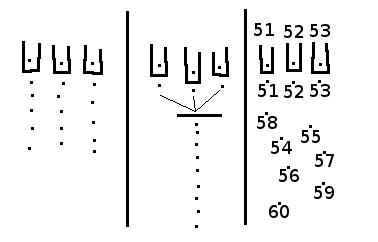
 Look at a German post-office on a Saturday afternoon. “Central queue” system, waiting time is ~15-20 minutes. All people are bound to the queue. Should anyone leave their spot, the savage mob will make sure that they re-queue at the end.
 The Post´s counterpart in Switzerland uses a number/ticket-system. Result: No monotonous waiting. If the wait is too long, you can make use of that time. Some do whatever, others shop. Conveniently, the post office has a range of stuff on offer. Result: Sales and/or happy customers. Win – win. Should be a no-brainer?!